
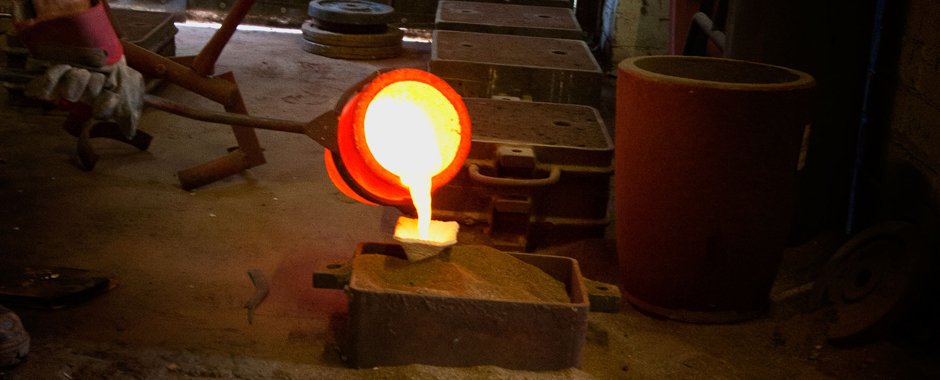
 In the world of fine art bronze casting, the quality of the finished sculpture begins long before molten bronze enters the mould. One of the most important stages in the lost wax casting process is wax chasing—the meticulous preparation and refinement of a wax model before it is invested in ceramic shell and cast in bronze.
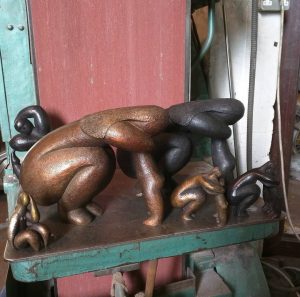
At Bronzecraft Ltd, every sculpture receives careful attention during this critical stage. Recently, the foundry undertook the wax chasing of a sculpture by renowned British sculptor Vanessa Pooley, ensuring that every subtle detail of the artist’s original work would be faithfully preserved in bronze.
This article explores the importance of wax chasing, the techniques involved, and why this often-overlooked process is essential to achieving exceptional bronze castings.
What Is Wax Chasing?
Wax chasing is the process of refining, repairing and perfecting a wax replica of an original sculpture before it proceeds to investment casting.
After a mould has been taken from the artist’s original piece, molten casting wax is introduced into the mould to create a hollow wax reproduction. Although highly accurate, the wax typically requires careful finishing before it is suitable for investment.
The wax chaser’s role is to remove imperfections and restore any detail that may have been affected during moulding and wax production.
This can include:
- Removing mould seam lines
- Repairing air bubbles
- Refining surface textures
- Reinstating fine sculptural details
- Correcting minor distortions
- Ensuring consistency across editions
The ultimate objective is simple: create a flawless wax version that perfectly reflects the artist’s original vision.
Preserving the Detail of a Vanessa Pooley Sculpture
Vanessa Pooley’s sculptures are known for their expressive surfaces, subtle textures and distinctive character. Capturing these qualities in bronze requires exceptional attention to detail throughout the casting process.
When preparing a Vanessa Pooley wax for bronze casting, the first stage involves a thorough inspection of the wax replica under strong workshop lighting. Every surface is examined to identify any imperfections that could affect the final bronze.
Unlike industrial castings, fine art sculpture demands absolute fidelity to the original work. Even the smallest flaw in the wax stage can become permanently embedded in the bronze if left untreated.
The wax chasing process ensures that:
- Original textures remain intact
- Fine modelling marks are preserved
- Surface transitions are smooth and natural
- The sculpture retains the artist’s intended character
- Casting defects are eliminated before investment
By investing time in careful wax preparation, foundries help maintain the artistic integrity of the finished sculpture.
The Importance of Wax Chasing Before Investment
Investment casting, also known as lost wax casting, relies entirely on the accuracy of the wax model.
Once the wax has been invested in ceramic shell and the wax melted out, the resulting cavity becomes a direct negative of the wax surface. Every detail present in the wax will appear in the final bronze.
This means that imperfections such as scratches, dents or mould lines can be reproduced with remarkable accuracy if they are not removed beforehand.
- Professional wax chasing helps prevent:
- Visible seam lines
- Surface blemishes
- Unwanted texture changes
- Additional metal finishing costs
- Loss of artistic detail
The cleaner and more accurate the wax, the better the final bronze casting.
Tools Used in Professional Wax Chasing
Wax chasing combines craftsmanship, patience and specialist tools.
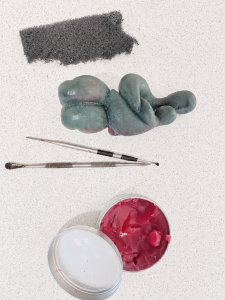
Depending on the sculpture and level of detail required, foundry technicians may use:
- Heated wax tools
- Sculpting instruments
- Dental picks
- Fine spatulas
- Wax pens
- Soft abrasives
- Precision carving tools
These tools allow the technician to manipulate the wax surface without damaging surrounding areas.
Temperature control is also important. Wax must be worked carefully to avoid distortion while still allowing repairs and refinements to blend seamlessly into the original surface.
For highly detailed sculptures such as those created by Vanessa Pooley, every adjustment is performed with extreme precision.
Restoring Surface Texture
One of the most challenging aspects of wax chasing is preserving and recreating surface texture.
Artists often intentionally leave modelling marks, fingerprints, tool textures or sculptural detailing within their work. These marks contribute significantly to the character of the finished sculpture.
During mould making and wax production, some of these details can soften or become interrupted by seams and repair areas.
The wax chaser must carefully restore these textures so that repairs become completely invisible.
This process requires:
- Close observation
- Artistic sensitivity
- Technical understanding
- Experience with sculptural surfaces
The goal is not merely to repair defects but to ensure that the finished wax remains visually indistinguishable from the original sculpture.
Preparing the Wax for Ceramic Shell Investment
Once the wax chasing process is complete, the sculpture is prepared for ceramic shell investment.
This stage involves attaching a gating and runner system that will allow bronze to flow efficiently into the mould during casting.
The positioning of these components is critical.
A well-designed gating system helps:
- Ensure complete metal flow
- Minimise casting defects
- Reduce turbulence
- Improve casting yield
- Support successful bronze pours
The wax assembly is then ready for ceramic shell production.
At Bronzecraft Ltd, ceramic shell investment provides an exceptionally accurate mould capable of reproducing the finest details present in the chased wax.
Why Fine Art Foundries Prioritise Wax Quality
In bronze casting, success is often determined by preparation.
While much attention is naturally focused on the dramatic bronze pour itself, experienced foundries understand that quality outcomes are largely established during the earlier stages of production.
Wax chasing represents one of the most important quality control procedures in the entire lost wax casting process.
Benefits include:
- Higher quality castings
- Reduced metal finishing requirements
- Better detail reproduction
- Lower risk of defects
- Greater artist satisfaction
For sculptors such as Vanessa Pooley, whose work relies on nuanced modelling and expressive surface treatment, professional wax preparation is essential.
From Wax to Bronze
After investment and casting, the sculpture progresses through several additional stages including:
- Shell removal
- Metal fettling
- Welding and assembly
- Surface finishing
Patination
Final inspection
However, the foundation for all these processes is established during wax chasing.
A carefully prepared wax leads to:
- Cleaner bronze castings
- More accurate detail
- Better surface quality
- Reduced corrective work
- Superior final presentation
This is why leading fine art foundries dedicate significant time and expertise to this stage.
Conclusion
Wax chasing is one of the most important yet least visible stages of the bronze casting process. Before a sculpture can be invested and cast, every detail must be examined, refined and perfected to ensure that the finished bronze faithfully captures the artist’s original vision.
The preparation of a Vanessa Pooley sculpture for investment casting demonstrates the level of care required in professional fine art foundry practice. Through meticulous wax chasing, subtle textures, sculptural character and artistic expression are preserved before the piece enters the ceramic shell process.
For artists, collectors and commissioners alike, this attention to detail ensures that the final bronze sculpture reflects the highest standards of craftsmanship and artistic integrity.
At Bronzecraft Ltd, wax chasing remains a vital part of the lost wax casting process, helping transform outstanding sculptures into exceptional bronzes that can be enjoyed for generations.