
TL;DR Commissioning bronze work involves design review, pattern and mould preparation, casting, chasing and finish. Costs depend on size, complexity, material and finish; lead times vary with workload and technique. Read the guide to plan a realistic schedule, understand likely costs and choose finishes that suit the artwork or component.
Commissioning a bronze casting is both a creative decision and a production project. Whether you are an artist arranging a new sculpture, a gallery planning a commission, or a client seeking a small run of bespoke components, knowing the stages, cost influences and finish options helps the project run smoothly and reach the intended result.
What commissioning bronze typically involves
A bronze commission progresses through a series of defined stages: design and brief, pattern or model preparation, moulding and casting, finishing and patination, and final installation or delivery. Each stage requires specialist skills and sometimes separate lead times. Knowing these stages helps set expectations and prepares you for the decisions that affect cost and outcome.
The first step is a briefing conversation. This clarifies scale, required detail, intended finish and any functional requirements such as fixing points or tolerances. Good communication at this point reduces the chance of rework later and gives a clearer basis for a reliable quote.
How we work with artists and institutions
Working with artists and institutions usually follows a collaborative process tailored to the brief. We can work from maquettes, CAD files or existing originals. Where conservation or restoration is required, the scope expands to include condition reports and agreed conservation methods.
Key practical points in that collaboration include: confirming ownership and copyright permissions for reproductions, agreeing allowable changes for structural reasons, and setting milestones for approvals. Each approval round can add time, so agreeing a reasonable schedule at the start is important.
Typical cost drivers and how to estimate budget
Several factors determine the cost of a bronze casting. Size and weight are fundamental, because they influence the amount of bronze used and the effort required for handling. Complexity of form and required surface detail affect the time spent on pattern making, moulding and chasing. The chosen casting method, such as lost-wax (investment) casting or sand-based processes, changes both price and the level of achievable detail.
Other cost drivers include: the grade of bronze chosen, whether cores or internal cavities are needed, the number of pieces in a multi-part casting, and any structural work such as armatures or internal supports. Labour costs for finishing and patination are significant when a high-quality surface is required.
To estimate a budget, consider three broad bands: simple small pieces (lower material and labour), medium-format work with moderate detail, and large or highly detailed sculptures that need complex moulding and considerable chasing. For commissions, we recommend requesting a staged estimate: initial ballpark, detailed quote after pattern/mould review, and a final price at sign-off before casting.
Lead times and project planning
Lead time depends on method, current workshop workload and the approval process. Small pieces cast in existing moulds can be completed in a matter of weeks, while bespoke lost-wax work for large sculptures commonly requires several months from start to finish. Restoration work may require additional time for conservation assessment and careful, documented processes.
Allow time for these milestones: briefing and quote, pattern or model preparation, approvals, mould making, casting, chasing and finishing, and any shipping or installation. Build contingency into the schedule for extra approval rounds or unforeseen repairs after initial casting. Clear milestones help everyone track progress and avoid rushed finishing that affects quality.
Finishes, patination and long-term care
Finishing is where the piece is given its final appearance. Common approaches include polished highlights, brushed textures, chemical patination to create colour tones, and lacquer or oil for protective layering. Patination can be subtle or dramatic; choice affects both aesthetics and maintenance requirements.
When selecting a finish, consider the intended setting and maintenance expectations. Exterior works exposed to weather behave differently to indoor sculptures. Protective coatings slow natural ageing but may need periodic renewal. Discuss the expected look and upkeep so the finish chosen suits the artwork and the client’s willingness to maintain it.
What to expect during the casting process
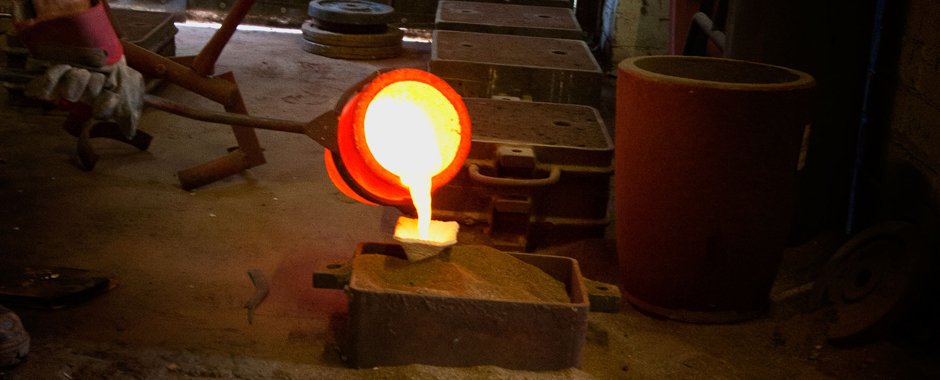
During casting you can expect close technical attention to detail. Once the moulds are made, molten bronze is poured, cooled and then the cast pieces are removed and prepared. Chasing restores the surface detail and removes the marks of casting. Final finishing and patination then create the chosen surface tone and texture.
Clients are often invited to approve critical stages, such as the patination test or the chased sample. Deciding where you want to be involved helps plan review points. For institutional projects, documented condition records and transport or installation plans are typically part of the service.
Getting started and requesting a quote
To get an accurate quote, provide as much of the following as possible: clear photographs or CAD files, measurements, desired finish and any functional requirements. Indicate whether you need conservation work, a limited edition run, or a one-off sculptural casting. When you submit these details we can advise the appropriate method and give a staged estimate.
If you would like to proceed, request an initial consultation or send project files for review. Typical next steps are a short design review, a written estimate and an agreed schedule. For clients ready to proceed, we offer direct booking for a project appraisal and to confirm costs and lead times.
Related guides
- Casting Services: Costs, Lead Times And What To Expect
- Custom Metal Casting: How To Choose The Right Foundry
- Investment Casting Services: Precision Parts And Process
- Wax Casting Services: Techniques, Uses And Pricing
- How To Choose Metal Casting Services Near You
- How To Choose Sculpture Casting Services Near You
* If you are preparing a conservation or institutional commission, include condition reports or provenance documentation with your initial enquiry to speed assessment.
FAQ
Costs vary with size, method, finish and labour. Small, simple pieces may sit at the lower end of budgets, while large, detailed or multi-part sculptures require more material and labour. We provide staged estimates so you see a ballpark figure early and a firm price when moulds are approved.
Lost-wax casting gives a high level of surface detail and is well suited to smaller to medium pieces or complex forms. Sand-based methods are often used for larger or simpler shapes and can be more cost-effective for big volumes. Choice depends on the scale, detail and budget for your project.
Lead times depend on casting method, complexity and current workshop workload. Small items can be completed in a few weeks; larger or highly detailed commissions commonly require several months. We advise building contingency into schedules for approvals and finishing.
Yes. We can work from CAD files and 3D prints for pattern making and mould production. Files or prints are reviewed for castability and may require small adjustments to ensure reliable moulds and castings.
When you are ready to commission, gather the brief materials and contact us for an initial review. We will outline the recommended method, provide a staged estimate and a proposed schedule so you can decide with confidence. Get started by requesting a project appraisal or sending project files for review.