
TL;DR Lost-wax bronze casting is a reliable way to reproduce fine detail, but success depends on materials, pattern design and controlled burnout. Use appropriate waxes and robust spruing, allow for finishing time and expect some machining and patination after casting. See: Choosing Wax For Bronze: Types, Suppliers And Uses for deeper material guidance.
This short primer explains the essentials of lost-wax bronze casting for artists and clients who are considering a commission or prototype. It focuses on materials you will meet, the stages of the process, common pitfalls to avoid and the results you can reasonably expect from a studio foundry.
Key points at a glance
- Lost-wax casting transfers surface detail well, so model finish matters.
- Wax type, spruing and burnout control determine porosity and completeness.
- Alloy choice and finishing affect colour and patination options.
- Expect some chasing, filing and patination after the pour; pieces are rarely ready straight from the mould.
These points guide the rest of the article and will help you decide what to discuss with a foundry when commissioning a piece.
Step-by-step: what happens in a typical lost-wax job
1. Model and mould preparation
The process usually begins with a sculpture or pattern model. The model can be carved directly in wax, sculpted in clay and duplicated in wax, or produced by 3D printing and then refined in wax. Surface texture on the model will carry through, so decide whether tool marks should remain or be smoothed before moulding.
2. Wax pattern and spruing
Wax patterns are completed and joined to a wax gating system. Spruing provides channels for metal flow and vents for gases. Adequate spruing helps avoid cold shuts and trapped air; thin sections often need thicker gates or internal supports to fill reliably.
3. Investment and burnout
Wax assemblies are encased in a refractory investment. After the investment sets, the mould is placed in a kiln and the wax is burnt out, leaving a cavity. A complete, controlled burnout avoids residual wax and reduces the risk of defects in the cast metal.
4. Pouring and cooling
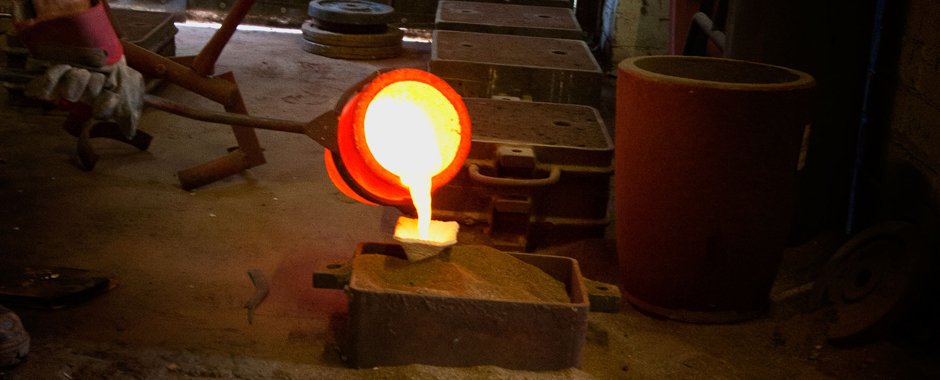
Bronze (a copper-tin or copper-tin-phosphorus alloy commonly) is melted and poured into the hot mould. Pour temperature, alloy composition and a steady pour are all important to reduce porosity and to ensure the alloy fills the mould fully. After pouring, the casting is allowed to cool before the investment is removed.
5. Cleaning, chasing and finishing
Once freed from the investment, castings require fettling: removing gates, welding as needed, filing and chasing to recover surface detail, then applying chosen patination or polish. Most pieces need this hands-on finishing to reach gallery quality.
The steps above are summarised further in process guides; for practical advice on model preparation and wax choices, see: Wax For Bronze Casting: Types And How To Choose and See: Choosing Wax For Bronze: Types, Suppliers And Uses.
Common pitfalls and how to avoid them
- Thin sections and weak details. Very thin or unsupported areas can warp or fail to fill. Build in consistent thickness or add temporary supports that can be removed during finishing.
- Insufficient spruing. Poor gating produces misruns and porosity. Use multiple vents and generous gates for complex or hollow forms.
- Wax contamination and bubbles. Air or debris trapped in wax will create surface defects. Work in clean conditions and de-gas wax where possible.
- Incomplete burnout. Residual wax or rapid temperature changes cause foul runs and inclusions. Follow a controlled ramp schedule and check mould condition before pouring.
- Unrealistic expectations about finish. Cast pieces often need chasing, welding and patination. Allow time and budget for finishing rather than expecting a perfect surface straight from the mould.
For a detailed comparison of wax types and where to source them, See: Choosing Wax For Bronze: Types, Suppliers And Uses. If material selection is your main concern, the specialist guide Wax For Bronze Casting: Types And How To Choose is a good next read.
What results to expect
When well executed, lost-wax casting reproduces fine modelling, retains sharp edges and enables complex undercuts. Typical characteristics of a finished bronze are slight shrinkage from the mould, a patinated colour determined by alloy and surface treatment, and visible seams where joints were chased. Hollow castings will be lighter and may need internal stiffening depending on scale.
Turnaround varies by complexity and foundry workload. Small, straightforward runs can be completed in a few weeks, while larger or highly finished commissions often require longer for chasing and patination. Discuss timelines and sample finishes before committing to a full run.
If you are planning a commission and want help scoping materials, finishes or a quote, Bronzecraft can advise on practical trade-offs and expected costs. Call +44 1953 459999 or visit our contact page for enquiries.
Small single pieces often take a few weeks from pattern to finished bronze; larger or more complex commissions require extra time for moulding, careful burnout, chasing and patination, so plan for a longer schedule.
Yes. Lost-wax casting is valued for its ability to retain fine tool marks and textures when the wax model and investment are prepared with care and the gating is appropriate.
You do not always need to supply wax. Foundries commonly accept clay originals or 3D files and can produce wax patterns by hand or by 3D printing, depending on the project.
Summary: lost-wax bronze casting is a versatile way to reproduce sculpture with excellent detail, but success depends on considered material choices, correct spruing and realistic expectations about finishing. For material selection advice, See: Choosing Wax For Bronze: Types, Suppliers And Uses and the supporting guide Wax For Bronze Casting: Types And How To Choose.