
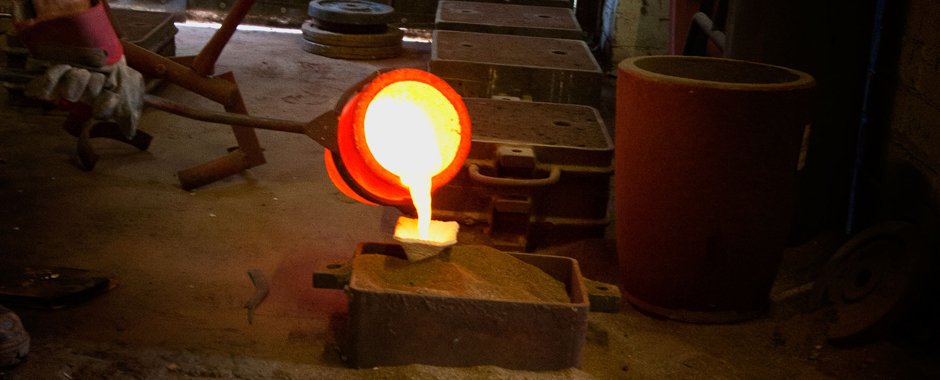
TL;DR Choosing the right foundry for custom metal casting is about matching capability to specification: check the processes offered, materials experience, quality control and finish options, and compare lead times, minimums and sample policies. Ask for references and examples, clarify plating and patination options, and prefer partners who can demonstrate consistent quality for similar commissions.
Finding the right foundry is one of the most important decisions when commissioning custom metal castings. A good partner can translate a sketch, 3D file or maquette into a reliable production process, while a poor match creates delays, unexpected costs and compromised finishes. This guide helps clients and designers weigh the practical criteria that matter when comparing foundries for bespoke work.
Why the choice of foundry matters
The technical capabilities of a foundry affect final cost, timeline and appearance. Different foundries specialise in particular processes such as lost-wax (investment) casting, sand casting or centrifugal casting, and each process has strengths and limits in terms of surface detail, tolerances and batch size. Knowing what matters for your project reduces risk and helps you get accurate quotes.
Choosing the right supplier also influences long-term service: repeat commissions, conservation work and proofs for galleries or clients rely on consistent quality and clear communication.
Who should you involve in the decision
Selection usually involves at least the designer or artist plus a technical lead from the foundry. For institutional or large commercial commissions, include a project manager or conservator to represent handling and installation needs. If you use 3D files, involve an engineer or CAD technician who understands how geometry affects casting.
When briefs are technical or legally sensitive, request examples of similar work and, where appropriate, ask for an NDA before sharing detailed files.
Key capabilities to check before asking for a quote
- Processes offered: confirm whether they handle lost-wax, sand, shell or centrifugal casting and which are recommended for your design.
- Material experience: ensure the foundry works with the specific alloy you want and can provide material certificates where required.
- Size and weight limits: check the maximum single-piece dimensions and typical batch sizes.
- Surface finish options: ask about patination, polishing, machining and any post-cast treatments they provide.
- Inspection and testing: look for ultrasonic testing, X-ray, or visual inspection protocols for structural or safety-critical parts.
Confirming these points up front prevents surprises in the quote and helps the supplier propose the most appropriate route to production. The final item on inspection naturally leads to the next topic: expectations for quality control.
Quality control and proofing you should expect
A professional foundry will outline how it validates castings at each stage: mould/jig checks, sample cast approvals and final inspection criteria. For art and architectural commissions, insist on clear acceptance criteria for porosity, shrinkage and surface defects.
Ask whether the foundry offers pattern-making or finishing samples and whether small prototype runs are available. A visible sample can reveal unexpected texture or colour outcomes before a full run.
Materials and process trade-offs
Different alloys and processes change detail, cost and durability. Lost-wax casting often yields superior surface detail and is widely used for sculpture and precision parts. Sand casting is more economical for larger volumes or bulky pieces but may need more post-finishing.
If your project demands thin sections, fine detail or complex undercuts, confirm that the foundry has experience with similar geometries. If corrosion resistance or specific mechanical properties matter, ask for material data sheets or test certificates.
Lead times, minimums and cost drivers
Foundry pricing depends on labour, material, tooling and finishing. Tooling and mould costs are typically a fixed component, so batch size and repeat runs change per-unit cost significantly. Lead times reflect workload and process complexity: a simple small lost-wax casting can be quicker than a large, multi-part sand cast requiring assembly and machining.
- Tooling and mould setup: a one-off sculptural commission will have higher per-piece tooling cost than a batch order.
- Finish level: polishing, patination and machining increase both time and cost.
- Testing and certification: structural parts requiring NDT add time and expense.
When comparing quotes, make sure items are apples-to-apples: request a breakdown for tooling, casting, finishing, and any specialised testing.
Preparing your design for a foundry
Deliverables that help the foundry price accurately include clear drawings, scale models, or 3D files with wall thicknesses and intended finish notes. Mark whether the design is to be cast as one piece or assembled from multiple parts; that choice affects tooling complexity.
If you supply CAD, check file format preferences in advance and ask whether the foundry can review files for manufacturability as a paid pre-production service.
How to evaluate and compare quotes
Set a shortlist of candidates and provide the same brief to each so quotes are comparable. Good quotes should itemise tooling, per-piece casting cost, finishing, VAT where applicable, and estimated lead times. Note any assumptions, such as wall thickness or surface finish level, so you can query discrepancies.
Beyond price, compare sample work, client references and whether the foundry includes contingency for expected defects or rework. A slightly higher quote from a reliable specialist may save cost and delay in the long run.
Common pitfalls and how to avoid them
Several recurring problems can derail a commission. Avoid vague briefs, accept undocumented material substitutions, or assume all foundries will match a particular finish without seeing a sample. Late-stage design changes increase cost sharply once tooling is made.
To reduce risk, request a small prototype, define acceptance criteria in writing and confirm who is responsible for remedial work if a casting falls outside tolerance.
FAQ
Response times vary by complexity and workload. For straightforward enquiries expect a quote within a few days; more complex or technical requests that need material checks and drawings may take longer. Ask each supplier for an estimated response time so you can plan accordingly.
Provide drawings or 3D files, target material and finish, required tolerances, intended use and batch size. The clearer you are about finish and inspection requirements, the more accurate the quote will be.
Many foundries accept supplied patterns, but formats and surface quality matter. Confirm file-format preferences and whether the foundry will need to modify or rework supplied patterns before tooling.
Ask for recent project examples and contact referees when possible. Evidence of repeat commissions for galleries, designers or manufacturers is a strong indicator of reliability.
Some foundries offer in-house patination and finishing; others use trusted specialists. Clarify who is responsible for the final finish and whether mock-ups or colour trials are included.
Minimums depend on process and tooling. Lost-wax can be economical for small runs; sand casting is better for larger batches. Always request the supplier’s minimum order and an itemised quote for single-piece and batch pricing.
Related guides
- Custom Metal Casting Moulds: Materials And Design
- Wax Casting Services: Techniques, Uses And Pricing
Summary and what to do next
To choose a foundry, clarify your technical priorities,detail, strength, finish and volume,then shortlist suppliers who demonstrate relevant experience and can supply samples. Request comparable quotes, confirm inspection criteria and agree on lead times before committing.
When you are ready, prepare a concise brief and ask for samples or a prototype where possible. A short trial run can often prevent larger problems and ensure the final commission matches your intent.