
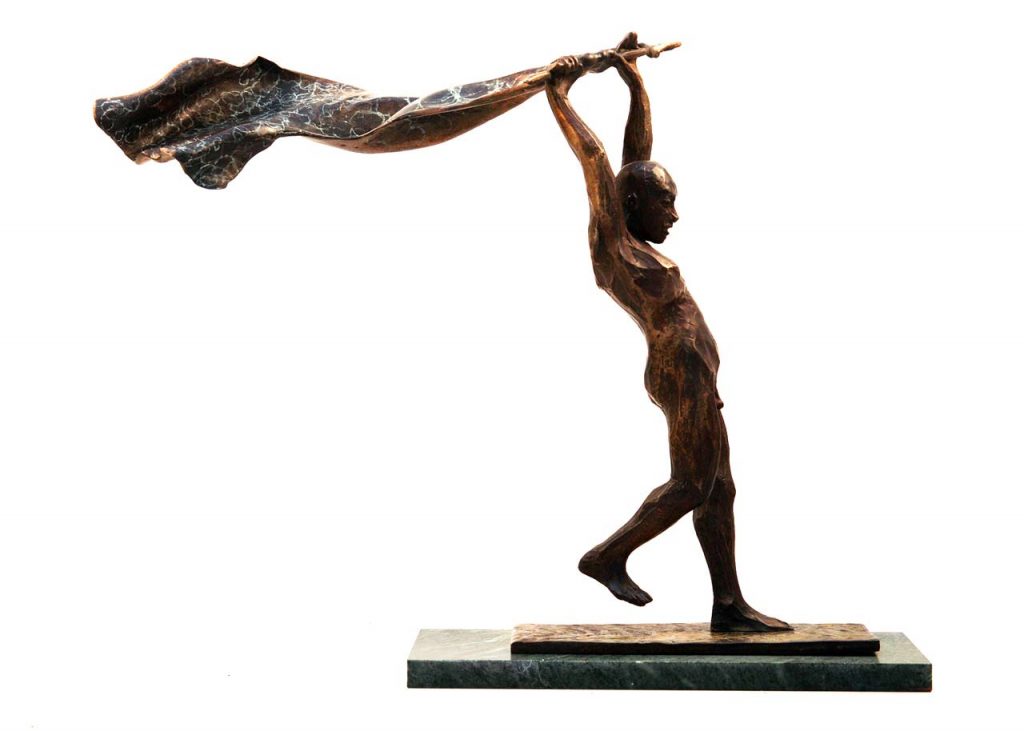

TL;DR Wax-based casting is a versatile route to metal parts and sculptures that suits fine-art commissions and precision prototypes alike. This guide summarises what the service delivers, how lost-wax workflows typically run, the main factors that affect lead time and price, and what you should prepare before requesting a quote.
If you need bespoke metal pieces, whether for gallery commissions or precision prototypes, a wax-based casting workflow offers a high level of surface detail and repeatability. Read on for a practical view of the steps involved, what affects cost, and how to approach commissioning a specialist foundry.
What this method can do
Wax-based casting is commonly used when fine surface detail, thin sections or accurate reproduction of an original are important. It can be applied to small intricate parts, medium-sized sculptural work and, with appropriate gating and support, to larger castings. The technique often delivers smooth surfaces that reduce finishing time and can be combined with patination to achieve a wide range of finishes.
Understanding those advantages helps you decide when to choose a wax workflow rather than sand or shell casting, or when to ask a foundry about hybrid approaches that include 3D-printed patterns.
How the process works
The sequence used for investment (lost-wax) casting generally follows a predictable set of stages. Knowing these stages helps set expectations for cost and timings.
- Pattern preparation: The model is produced in wax, either hand-carved, mould-cast from an original or 3D-printed in a wax-compatible material.
- Assembly and gating: Individual wax patterns are attached to a central sprue to form a tree suitable for pouring and metal flow.
- Investment: The wax assembly is invested in a refractory material to form a rigid mould around the patterns.
- Burnout: The mould is heated so the wax is removed, leaving a cavity in the shape of the parts.
- Pouring and cooling: Molten metal is poured into the mould, allowed to cool, then the investment is broken away.
- Cleaning and finishing: Sprues are removed, surfaces are chased or tool-finished, and patination or protective coatings are applied where required.
Each stage requires skilled labour and appropriate equipment. For example, 3D-printed wax patterns can speed up the pattern stage but may add material costs; discuss options with your chosen foundry.
Typical lead times and pricing
Lead time and price vary with complexity, the number of castings required, metal choice and finishing. Small one-off sculptures or single prototype parts can be quicker to turn around than multi-part production runs because of reduced setup for gating and investment.
Factors that commonly increase cost or time include very fine undercuts, the need for complex gating, multiple pattern iterations, premium alloys and extensive finishing or conservation-grade restoration. Bulk runs or repeated castings typically reduce the per-piece cost once tooling and setup are complete.
When requesting a quote, provide accurate dimensions, preferred material, target finish and any tolerance requirements. Clear images or CAD files and a note about how the part will be used help the workshop give a realistic estimate.
Who this service suits and how to commission
This service is suited to artists commissioning unique sculptures, design professionals needing accurate prototypes and engineers requiring small runs of complex parts. A foundry experienced in both artistic and technical work will discuss material choices, gating strategies and finish options before quoting.
To get started, prepare a model (physical or digital), a brief describing the intended finish and an indication of quantity and timetable. For an initial discussion or a quote, contact the foundry by phone or use their contact channels to share images and files. For a broader buyer’s guide on choosing a supplier, see: Custom Metal Casting: How To Choose The Right Foundry.
FAQ
Sizes depend on moulding, metal selection and handling constraints. Discuss maximum shell sizes and sectional options with the foundry early in the brief.
Turnaround depends on pattern preparation, the number of castings and finishing. Ask for phased timelines when you request a quote.
Pattern work, choice of alloy and labour for finishing are the biggest cost components. Request a breakdown when comparing quotes.
Provide clear references and, if possible, a physical sample or CAD files. Early communication about finish and tolerances avoids costly revisions.