
TL;DR The lost-wax (cire perdue) approach turns a detailed wax model into a finished bronze object by investing, burning out, casting and finishing. It suits fine art, small-batch production and complex forms where surface detail matters; expect several workshop visits, lead times for tooling and a period of finishing and patination. For a broader view of bronze techniques, see bronze casting techniques.
The lost-wax route remains popular where accuracy, texture and fine detail are important. This article describes the method in workshop terms, outlines the typical sequence from wax model to patinated bronze, highlights common problems and helps sculptors, designers and clients decide when this process is the right choice for a commission or prototype.
How the cire perdue method works
At its core, the process replaces a wax pattern with molten metal. The maker starts with a wax model that represents the final form, builds a refractory mould around it, melts or burns the wax out, pours bronze into the void and then breaks the mould to reveal the raw casting. Each stage is an opportunity to control surface quality and internal structure, which is why the route is preferred for articulated forms, delicate textures and work that needs a close match to a sculptor’s original.
That practical chain , pattern, mould, burnout, pour, cleanup , defines the workshop workflow. Later sections explain the typical steps and what to expect at each handover between maker and foundry.
Key stages in a typical workshop process
Below are the core stages you will encounter when commissioning or producing a lost-wax bronze.
- Modelling and pattern preparation: the wax model can be hand-carved, modelled in clay and moulded in wax, or produced by wax printing. Decisions at this stage determine whether the cast will be solid, hollow or assembled from pieces.
- Investment and gating: the wax is fitted with channels (gates and vents) and invested in a heat‑resistant material. Gating strategy influences how the metal flows and how easily air escapes, which affects porosity and finish.
- Burnout: the investment is heated to remove wax and cure the mould. Proper burnout prevents ash or trapped residues that cause defects.
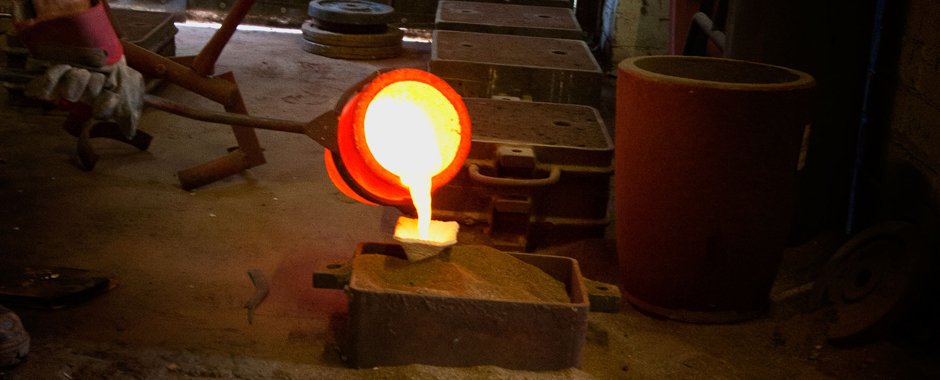
- Casting: bronze is melted and poured, usually into ceramic shell or plaster-sand moulds. Temperature control and pouring technique affect fill, shrinkage and grain structure.
- Breakout and chasing: the mould is removed and metalwork is cleaned, welded or chased to repair seams and refine surface detail.
- Patination and finishing: chemical or heat patinas are applied and the surface sealed. This stage gives the object its final appearance and protective finish.
Each stage takes time and specialist skill. If you want a full technical walk-through, see the bronze casting techniques hub for related methods.
Common challenges and how workshops manage them
Several issues recur in lost-wax work and experienced workshops use routine controls to reduce risk. Porosity can result from trapped gas; careful gating, vacuum/pressure casting or modified alloys can help. Surface blemishes often trace to wax seams or investment residue; thorough waxing and staged burnouts reduce those imperfections. Shrinkage is predictable but requires accurate allowances in tooling and experienced finishing to blend seams.
For large or hollow pieces, makers often build a shell or use centrifugal techniques to ensure even metal distribution while keeping weight sensible. Early discussion of tolerances and finish expectations between artist and foundry greatly reduces surprises during chasing and patination, which are time-consuming but essential for a refined result.
When this method is the right choice
Lost-wax casting is well suited to commissions and prototypes where surface fidelity, complex undercuts or a small number of high-quality copies matter. It is less efficient for large runs of simple parts, where sand casting or other production routes can be faster and cheaper. If your project needs fine texture, accurate reproduction of an original model or an expressive patina, the lost-wax route often offers the best outcome.
If you are deciding between methods, a short technical brief and a sample test piece can clarify costs and lead times. For an overview of alternative approaches and how they compare in practice, see the complete techniques guide referenced earlier.
What to expect when commissioning work
When you commission a lost-wax bronze, plan for multiple workshop interactions: model approval, moulding, a casting date and a finishing stage. Timelines vary by size and complexity; small works may take weeks while larger sculptures take months. Budget lines should include modelling, moulding, metal costs, finishing and delivery.
Bronzecraft works with artists and design professionals on bespoke projects and can advise on materials, timelines and finishing options. To discuss a brief or arrange a visit, enquire by phone or through the contact page on the foundry website.
Typical lead times depend on size and complexity. Small pieces may be completed in a few weeks, while large or multi-part sculptures can take several months because of moulding, casting and finishing schedules.
Yes. The method is prized for its ability to capture fine texture from a wax model, making it ideal for sculpture and detailed prototypes. Careful moulding and chasing preserve that fidelity.
Yes. Hollow casting is common: a temporary core or controlled shell is used so the final object is light but structurally sound. This requires specialist gating and shell work.
Patination is applied after the metalwork is finished. Technicians use heat and chemical treatments to achieve stable colours and textures, then seal the surface to protect the finish.
Summary: the lost-wax route is a proven workshop method for achieving high-quality, detailed bronze work. It requires collaboration between modeller and foundry, realistic allowances for time and finish, and clear technical briefs. For wider context on when to choose this route and how it compares to sand casting, consult the related guides linked above or contact the foundry to discuss a sample or quotation.