
TL;DR Commissioning a lost-wax bronze sculpture combines artistic collaboration with technical precision. This guide summarises the main stages you will encounter, shows examples of finished work, and explains how to prepare a brief so a foundry can estimate cost and timing.
Commissioning a lost-wax bronze sculpture brings together the artist, the foundry and practical decisions about scale, material and finish. This page pairs a short portfolio overview with a clear guide to each stage of a commission so that artists, galleries and institutions can see examples of past work and understand what to expect from a technical and logistical perspective.
Key points to know before you commission
- Lost-wax casting is suited to detailed forms and fine surface texture; budgets and lead times vary with size and complexity.
- Early conversations about scale, patination and mounting reduce revisions later in the process.
- Expect a sequence of modelling, moulding, casting, chasing and finishing; each step affects cost and timing.
- See broader context on bronze methods in the technical hub: bronze casting techniques.
Step-by-step: what happens in a lost-wax commission
1. Brief and quote
Begin with a clear brief that lists dimensions, intended location, expected finish and any structural constraints. Provide reference images or models when you can. The foundry will translate that brief into a provisional schedule and cost estimate, and suggest any changes that will improve robustness or reduce expense.
2. Modelling and approval
The sculpture may start as clay, plastilina, 3D print or a small maquette that is scaled up. At this stage you review proportions and surface detail. If a 3D route is chosen, the foundry often prepares test prints so surface translation can be checked before moulding.
3. Wax work and assembly
From the approved model, the workshop makes a wax version or uses a printed wax pattern. The wax stage is where fine details are refined and any internal structure for hollow sections is planned. Hollow casting reduces weight and bronze use for large pieces.
4. Investment and casting
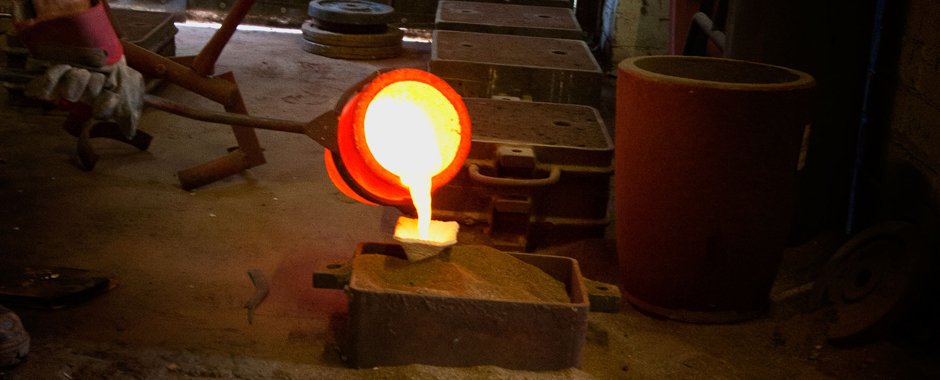
The wax pattern is invested in a ceramic shell or investment material. Molten bronze is poured once the investment is heated out. The casting itself is a brief event; most time is taken up in preparation and post-cast metalwork.
5. Chasing, assembly and patination
After casting, the foundry cuts away risers and gates, welds parts where needed and chases surfaces to restore details. Patination and finishing are agreed finishes that influence both cost and long-term maintenance. For a technical overview of the lost-wax process, see lost-wax bronze casting.
6. Mounting, delivery and conservation advice
Discuss mounting and installation early. Public works usually need engineered mounts and a maintenance plan. The foundry can advise on fixings and protective measures for outdoor locations.
Portfolio and collaboration: what the foundry shows you
A portfolio emphasises past commissions, variety of finishes and examples of both small and large work. When reviewing portfolio images look for consistent detail around joins and patina, and for condition over time on outdoor pieces. A good portfolio will include scale references and brief notes on the process used for each piece so you can compare craftsmanship and finish.
Collaboration is iterative: the foundry should keep you informed at key milestones, invite sign-off at the wax and assembly stages, and record any alterations. Clear versions of agreements and a written scope reduce misunderstandings about inclusions such as delivery, mounting, insurance and conservation advice. For broader technique comparisons and context, you may also find the technical hub useful: bronze casting techniques.
FAQ
Summary and what to do next
Start by preparing a concise brief and images or a maquette. If you want more technical background on alternative casting methods and when to choose them, consult the full techniques guide: bronze casting techniques. If you would like to discuss a potential commission, Bronzecraft in Attleborough can review your brief and propose timelines; call +44 1953 459999 for an initial conversation.