
TL;DR Lost-wax casting offers superior surface detail and is usually best for finely modelled sculpture and small runs, while sand casting is quicker and more economical for larger, simpler shapes or single large items. Choose lost-wax when fine finish, thin sections or reproduction accuracy matter; choose sand casting for scale, weight and lower tooling cost. Read the short comparison and the recommended decision checklist below to match the method to your project requirements.
Deciding between lost-wax and sand casting comes down to three practical trade-offs: surface detail, repeatability and cost. This article compares how each method performs for typical bronze work, outlines the core steps you should expect, and suggests which approach to choose for common project types. Throughout, there are links to more detailed technique guides and process pages you can consult for specialist projects.
Quick comparison of strengths and trade-offs
Lost-wax casting often gives the best surface finish and the most accurate reproduction of the original model. It is usually preferred for sculptural work, finely modelled parts and small series where the cost of wax patterns and investment moulds can be justified. Sand casting tends to be more economical for larger volumes and bulky components because mould preparation is faster and tooling costs are lower.
In practical terms, expect lost-wax to require more hands-on finishing and careful pattern preparation, but to yield less machining and chasing afterwards. Sand casting commonly needs more fettling and machining to achieve fine tolerances, yet it can handle very large single pieces and heavy sections more easily. These differences explain why conservators and sculptors often favour lost-wax, while some industrial fabricators choose sand casting for size and speed.
How each method works in practice
Lost-wax casting begins with an accurate pattern in wax, often produced by hand-sculpting or by wax printing from a 3D file. The wax pattern is coated with a refractory investment, the wax is melted out, and molten bronze is poured into the resulting cavity. The investment is removed and the casting is chased, welded and patinated as required. This route is sometimes called investment casting and is commonly used for detailed sculpture and small to medium runs.
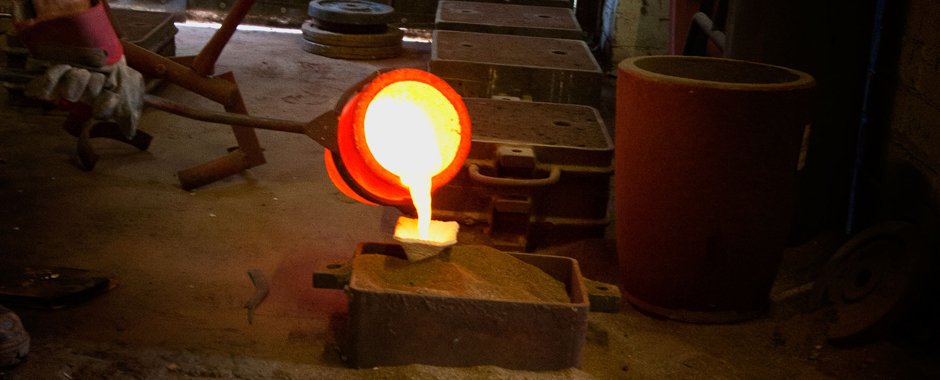
Sand casting uses a packed sand mould around a pattern, which may be a single-use pattern or a reusable one. The pattern is withdrawn, molten metal is poured into the cavity and, once cool, the sand is broken away. Sand casting suits larger shapes and simpler geometry, and it often reduces the need for expensive pattern tooling. For more on the detailed lost-wax workflow, see: Lost-Wax Bronze Casting: Process And Applications
Choosing the right method for your project
Answer three questions to narrow the choice: how important is surface detail, how many pieces do you need, and what is the maximum size or wall thickness? If the priority is fidelity to a sculptor’s modelling, thin sections or a finely textured surface, lost-wax is usually the better option. If you need a single very large object, or cost must be kept low, sand casting may be more suitable.
Other considerations include turnaround and post-production. Lost-wax can be more time-intensive up front but can reduce finishing time later. Sand casting can deliver faster throughput for oversized work but typically requires heavier machining. For a broader overview of techniques and when to favour one approach, see: Bronze Casting Techniques: Complete Guide.
Typical process steps and what to budget for
Both methods follow common milestones: pattern preparation, mould preparation, pouring, cleaning and finishing, then patination or protective coating. Expect lost-wax projects to include extra steps for wax assembly, ceramic investment and firing out the wax. Sand casting projects will usually involve patternmaking in timber or composite and packing the sand around larger cores.
Budget lines to check with a foundry are pattern or tooling cost, metal weight, labour for finishing and patination, and any specialist operations such as welding or chasing. Provide the foundry with clear CAD files or photographs and an indication of required finish to get an accurate quote. For technical project types where detail and fittings matter, linking to the full techniques guide can help clients make an informed choice: Bronze Casting Techniques: Complete Guide.
FAQ
Sand casting is often chosen when tooling costs must be minimised; lost-wax can be economical for small series when pattern costs are amortised.
Lost-wax generally reproduces finer detail because the investment mould records subtle texture; sand casting is coarser by comparison.
Timelines vary by scale and finish, but expect longer lead times for lost-wax pattern work and investment curing; sand casting can be quicker for large, simple forms.
Both processes usually need chasing, welding or machining to achieve final tolerances and surface appearance; lost-wax often needs less aggressive chasing for fine detail.
Summary and what to do next
Match the casting method to the priorities of detail, size and budget. Use lost-wax when model accuracy and surface finish are critical; use sand casting where scale and reduced tooling cost matter. If you are unsure, share drawings or photographs with a specialist foundry so they can recommend the most efficient route for your piece.
If you want a broader technical context on options and finishes, consult Bronze Casting Techniques: Complete Guide and, for the lost-wax workflow in particular, Lost-Wax Bronze Casting: Process And Applications. These pages will help you prepare materials and brief a foundry accurately.