
TL;DR Lost-wax casting is a multi-stage process that turns a wax model into a bronze sculpture by making a ceramic mould, removing the wax and pouring molten metal into the cavity. This overview summarises the main stages, typical decisions for artists and commissioners, common issues to watch for and where to find further technical detail.
Lost-wax casting for bronze sculpture is a traditional method widely used for pieces that require fine detail and faithful reproduction of a sculptor’s model. This article outlines the key points to consider, the practical sequence of steps in a typical studio or foundry workflow, and answers common questions sculptors and clients often have when planning a commission.
Key points to bear in mind
The lost-wax route is best suited to work where surface detail matters and where a sculpture may need to be hollow or solid depending on scale and budget. It usually involves a wax model or pattern, investment (a ceramic shell or mould), burnout, metal pour and a sequence of chasing and finishing steps. Timings, material choices and the decision to make a one-piece or multiple-piece mould will affect cost and lead time.
Major choices that shape the project include whether to produce a hollow or solid casting, how large the sections should be for handling and finishing, and which bronze alloy and patination approach to specify. For an in-depth reference on comparative methods and where lost-wax fits among other approaches, see the Bronze Casting Techniques: Complete Guide (link below).
Step-by-step process
Below is a practical sequence that describes the common stages you will encounter in a lost-wax bronze job. Each stage feeds into the next, so decisions early on determine later work and cost.
1. Model and pattern preparation
A sculptor begins with a model in clay, plastiline or other media. That model is used to produce a wax pattern, either by direct modelling in wax or by creating a mould from the original model and then casting wax positives. For fine work, the wax must be finished carefully because the wax surface is what the finished bronze will reproduce.
Think about internal supports and armature at this stage if the wax pattern will be hollow or if delicate elements need strengthening. If a mould will split the form into pieces, plan seams in areas that are easy to chase later.
2. Spruing and gating
Once the wax model is ready, the wax is fitted with a network of sprues and gates. These provide passageways for molten metal and for the escape of gases during the pour. The pattern plus sprue assembly is fixed to a central wax rod called a sprue base.
Gating design affects flow, filling and the risk of turbulence, so practitioners choose gate sizes and positions to encourage smooth metal movement and minimise shrinkage defects.
3. Investment (making the mould)
The sprued wax assembly is coated with a refractory slurry and then with successive layers of fine ceramic or other investment material. For large or complex pieces, a rigid ceramic shell process is common; for smaller runs a plaster-based investment may be used. Each layer must dry thoroughly to avoid steam pockets when the wax is burnt out.
4. Wax burnout and mould firing
After the investment has cured, the assembly is placed in a kiln and the wax is melted and removed, leaving a hollow cavity in the shape of the pattern. Properly controlled burnout removes all wax and organic material and hardens the investment so it can withstand molten metal temperatures.
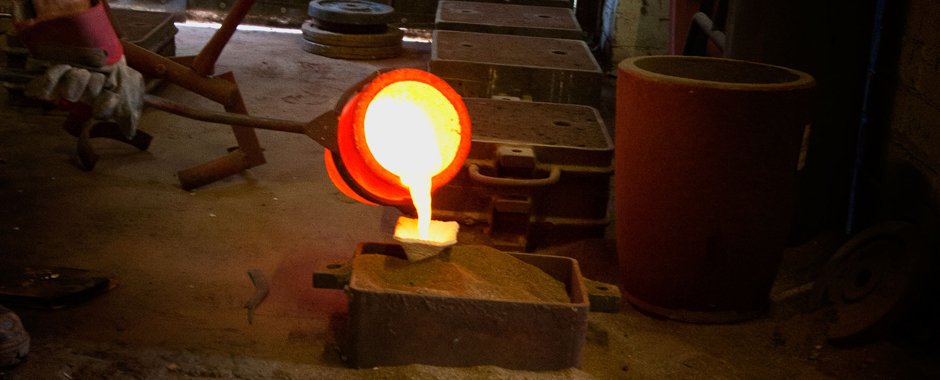
5. Metal selection and pouring
Bronze alloys vary; composition influences strength, colour and how the metal responds to chasing and patination. The molten bronze is poured into the hot mould by a foundry team using crucibles and ladles or a furnace system, depending on scale. For safety and quality, pours are planned with a clear sequence for handling, gating and risering.
6. Knockout and metal finishing
Once the metal has cooled sufficiently, the investment is broken away to reveal the raw casting. The sprues and gates are cut off and the surface is chased to remove casting marks, weld joins and roughness. This stage is where the piece regains its sculptural intent and where seams are blended to restore continuous form.
7. Patination and final presentation
Patination uses chemical treatments, heat and brushing to develop surface colour and texture. Conservators and foundries work to match the sculptor’s intention, whether that is a natural bronze sheen, a greenish verdigris or a customised finish. Finally, pieces may be waxed, lacquered or otherwise sealed for protection.
Parent guide and further reading
For a broader look at casting options, comparisons and when to choose each technique, consult the Bronze Casting Techniques: Complete Guide: bronze casting techniques. That page covers how lost-wax compares with sand and other methods and helps with decision points for commissions.
For focused technical detail on applications and variations of the lost-wax method, see Lost-Wax Bronze Casting: Process And Applications: lost-wax bronze casting: process and applications.
FAQ
Typical lead times vary with size and complexity; small pieces can be completed in weeks while larger or multi-part commissions may take several months from model to finished bronze.
Lost-wax reproduces fine surface detail and is appropriate for hollow castings that reduce weight and material cost. Sand casting can be more economical for very large, simple forms but will usually lose some surface definition.
Foundries normally offer patination services and can match a sculptor’s sample or specification. It is best to agree finish samples during planning so the final appearance meets expectations.
Summary and what to do next
Lost-wax casting is a reliable method for producing detailed bronze sculpture, with a clear sequence from model to finished metal. Early choices about scale, hollowing, alloy and finish determine both cost and the degree of post-cast work needed. If you are planning a commission, share sketches or a maquette early so a foundry can advise on sectioning, gating and costs.
If you would like to explore options or see examples of recent commissions, see the Bronze Casting Techniques: Complete Guide: bronze casting techniques and Lost-Wax Bronze Casting: Process And Applications: lost-wax bronze casting: process and applications. For enquiries about commissions and technical questions, a short email or a call will help clarify budgets and timings.