
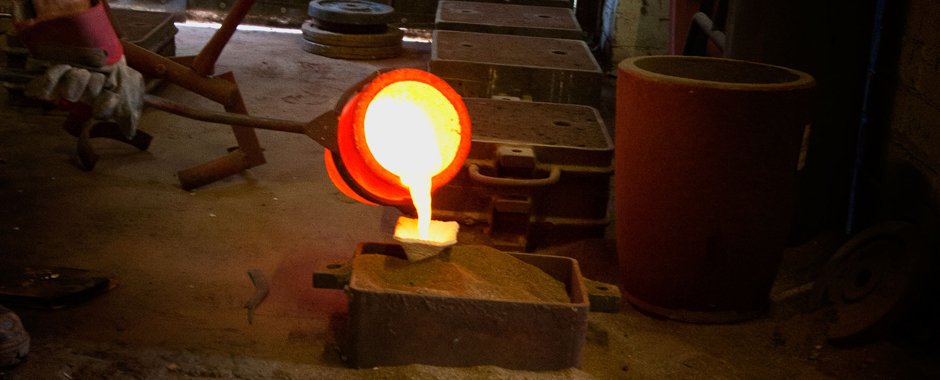
The lost-wax method converts a precise wax model into a bronze object through a sequence of modelling, investment, burnout, metal pouring, and finishing stages. Each stage has practical checks that reduce defects and speed up delivery: prepare a stable wax pattern, invest and dry thoroughly, control the burnout and pour, then clean and patinate the casting.
The lost-wax process is a controlled chain of steps that turns a wax pattern into a durable bronze piece. This article summarises the stages you will encounter when commissioning or making a cast, highlights practical points for each stage, and points to further resources for detailed methods and material choices.
Key stages at a glance
The method breaks down into a small number of repeatable stages: pattern preparation, spruing and moulding, burnout, metal pouring, and finishing. Each stage has a clear purpose: the pattern defines surface detail, the mould transfers shape, the burnout removes the wax, the pour forms the metal, and finishing readies the bronze for display or assembly.
Knowing the purpose of each stage helps spot where delays or defects can occur, and it sets realistic expectations for timeline and cost. The rest of this article expands each stage with practical checks and common variations used in sculpture and small engineering components.
Step-by-step process and what to watch for
1. Model and wax pattern
The starting point is a stable pattern, typically carved or modelled in wax. For complex or hollow forms, a core or armature is used and the wax is applied in layers to control wall thickness. Machine-made or 3D-printed wax patterns are also common for repeatable parts.
Practical checks: ensure clean, consistent surface detail; avoid undercuts that will trap wax during investment; and confirm the intended wall thickness for structural needs. Good pattern preparation reduces repairs later.
2. Spruing, gating and investment
Sprues and gates are attached to provide channels for metal flow and gas escape. The wax assembly is then invested in a refractory material to form the mould. Choice of investment and the way the assembly is boxed influence thermal expansion and surface reproduction.
Practical checks: lay out sprues to promote even metal flow; allow adequate vents for gases; mix and pour investment to avoid air pockets; and follow recommended setting and drying times for the chosen investment to prevent cracking during burnout.
3. Burnout and mould preparation
Burnout removes the wax and cures the investment. Controlled heating prevents thermal shock in the mould and any retained moisture from causing expansion or steam defects. The resulting cavity matches the original pattern precisely.
Practical checks: follow a ramped heating schedule, ensure slow initial temperature rise, and confirm complete dewaxing before raising to pouring temperature. For large or thick castings, longer holds at intermediate temperatures reduce the risk of defects.
4. Melting and pouring bronze
Bronze is melted in a furnace and poured into the hot mould. Pour temperature, alloy composition and pouring technique all affect metal flow and shrinkage. For hollow or large pieces, chills and feeders may be used to control solidification.
Practical checks: match alloy choice to required finish and mechanical properties; control pour speed to avoid turbulence; and plan feeders to reduce porosity. Observe the pour and allow a full, steady fill before cooling begins.
5. Cooling, breakout and fettling
After cooling, the investment is broken away and the raw casting is removed. The piece will normally require cutting off gates, grinding, welding small defects and chasing surface detail to restore the intended finish.
Practical checks: allow sufficient cooling time to avoid distortion; use appropriate tools for fettling to preserve detail; and inspect internal passages for trapped sand or investment fragments, especially in complex forms.
6. Patination and final assembly
Patination and surface finishing give the bronze its final appearance. Chemical or heat patinas are applied where required, and components are assembled and secured. Protective coatings are added if the piece will be outdoors.
Practical checks: trial patinas on samples where colour consistency matters; consider sacrificial coatings for transit; and discuss long-term maintenance with clients when outdoor siting is planned. The finishing stage is where the piece finds its final character.
Further reading and resources
For a broader context on technique choices and when to use alternative methods, see: Bronze Casting Techniques: Complete Guide. That guide covers sand and hollow-casting options alongside lost-wax variants.
For a more detailed process-focused overview, consult Lost-Wax Bronze Casting: Process And Applications, which examines applications and scales of work where lost-wax is commonly chosen.
FAQ
Timelines vary with size and complexity; a small piece can move through the process in a few days, while larger or hollow sculptures often require several weeks to allow for modelling, investment drying, controlled burnout and finishing.
Yes. Large works are typically cast in sections and assembled. Techniques such as hollow casting and ceramic shell investment allow scale while controlling weight and metal usage.
Common causes include inadequate vents or feeders, turbulent pours, trapped moisture in the investment, or insufficient solidification control. Careful spruing, investment drying and pouring technique reduce these defects.
Bronze alloys vary by application; commonly used mixes balance fluidity and strength. Choice depends on desired finish, mechanical needs and patination response, so discuss alloy selection with the foundry early in the project.
Ensure even wall thickness, smooth transitions at joins, and clear sprue points. Avoid fine protrusions that are fragile during handling and discuss any required internal supports or cores with the foundry before investing.
Summary and what to do next
The lost-wax route produces finely detailed, high-quality bronzes when each stage is planned and executed. For commissioning clients and makers alike, clear communication about scale, surface finish and delivery expectations reduces revisions and unexpected cost.
To explore the method in a wider context, see Bronze Casting Techniques: Complete Guide and the process-focused article Lost-Wax Bronze Casting: Process And Applications. If you have project-specific questions, prepare measurements, desired finish examples and timescale to discuss with your chosen foundry.